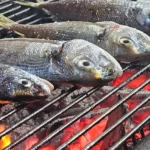
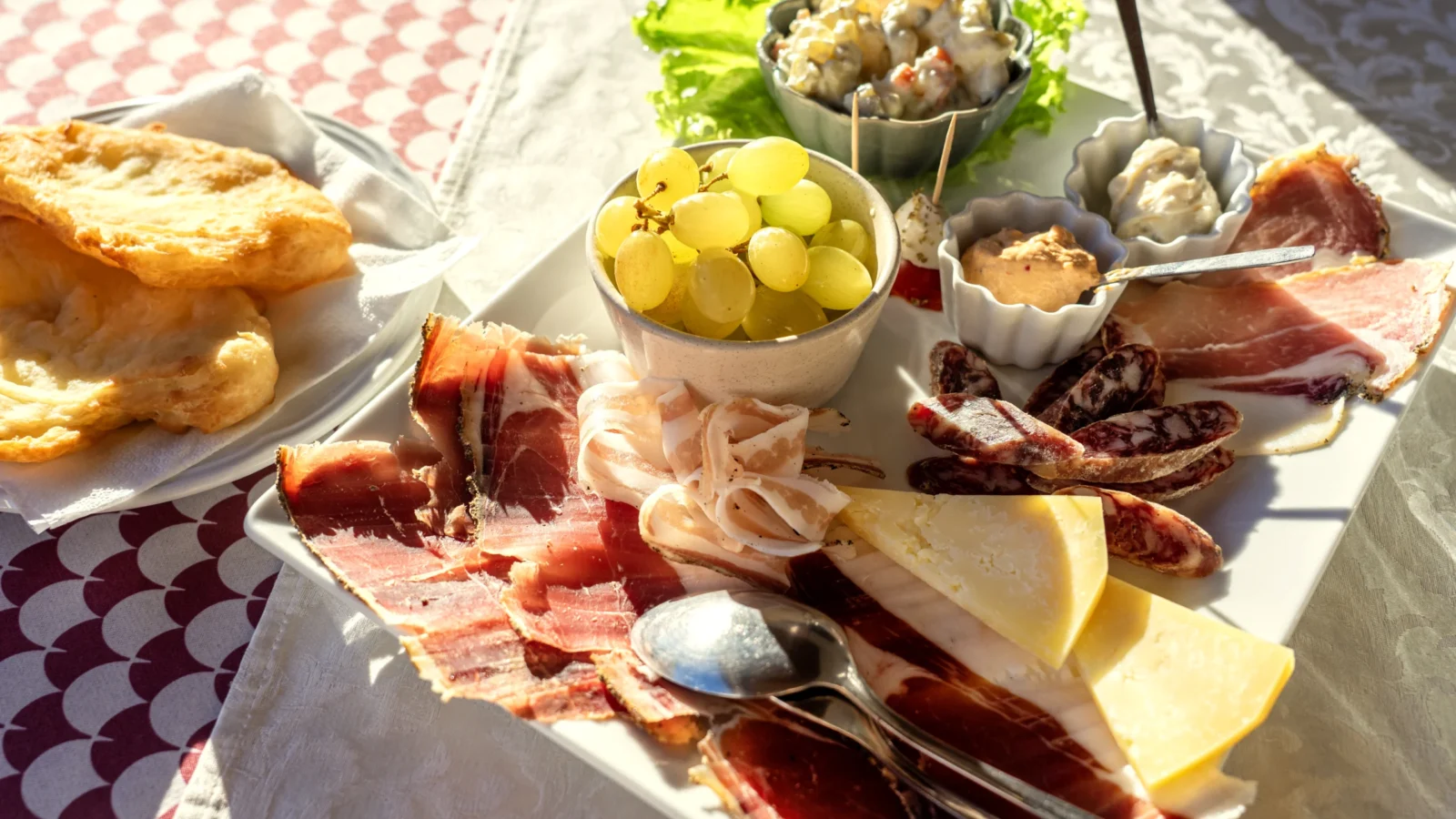
Rovinj is a coastal city, but its food is shaped by more than the Adriatic. The local table brings together fishing traditions, Mediterranean ingredients and the wider cuisine of Istria. Fresh fish and shellfish sit alongside Istrian prosciutto, sheep cheese, handmade pasta, olive oil, seasonal vegetables and local wines.
That mix makes eating in Rovinj about more than choosing a restaurant. It is an opportunity to understand the landscape around the city: the sea, olive groves, vineyards, forests and small producers all appear in different forms on the plate.
This guide focuses on what to eat in Rovinj, which local specialities are worth looking for, what to order if you have only a few meals, and how to approach restaurants during the busy season.
What food is Rovinj known for?
Rovinj’s culinary identity is strongly connected with the sea. Local tourism material highlights fresh fish, shellfish and traditional seafood dishes, while Istrian specialities such as prosciutto, cheese, olive oil, truffles and pasta broaden the offer beyond seafood.
The result is a useful distinction for visitors: you can eat very local food without ordering the same type of meal every day.
| Try this | Why it matters | Look for it in |
|---|---|---|
| Fresh Adriatic fish | Reflects Rovinj’s fishing tradition | Restaurants and konobas |
| Škampi and shellfish | Classic coastal Istrian ingredients | Seafood restaurants |
| Rovinj-style seafood dishes | Connected with local maritime cuisine | Traditional restaurants |
| Istrian prosciutto | One of the region’s best-known cured products | Starters and local platters |
| Fuži or other handmade pasta | Shows the inland Istrian influence | Konobas and Istrian restaurants |
| Istrian olive oil | One of the defining products of the region | Restaurants, shops and tastings |
| Malvazija Istarska | Important local white wine | Restaurants and wine bars |
| Teran | Traditional Istrian red wine | Restaurants serving regional wines |
1. Fresh fish
If you eat only one category of local food in Rovinj, fresh fish is an obvious choice. The Istrian Tourist Board lists species such as sea bream, sea bass, mullet, scorpionfish, dentex, sole and sardines among the seafood associated with the region.
The preparation is often deliberately simple: grilled, baked or prepared with olive oil and herbs. This allows the quality of the fish to remain the main feature of the dish.
When a restaurant offers a daily fish selection, ask what was caught locally and what preparation the kitchen recommends.
2. Škampi and other shellfish
Istrian coastal cuisine includes scampi, mussels, oysters, clams and other shellfish. One traditional preparation to look for is buzara, a sauce-based preparation commonly made with olive oil, wine, garlic, parsley and shellfish.
For a casual meal, shellfish with bread and a glass of local white wine can be one of the simplest ways to experience the coastal side of Istrian cuisine.
3. Brodet
Brodet, or brodetto, is a traditional fish stew made with several types of fish and sometimes crustaceans. It belongs to the wider Adriatic culinary tradition and is included among the characteristic dishes of Blue Istria.
It is particularly interesting if you want something more traditional and substantial than a grilled fish fillet.
4. Sardines
Sardines are an important part of Adriatic food culture and can appear grilled, salted, marinated or preserved in oil. They are simple, affordable and closely connected with the everyday fishing tradition of the coast.
Do not overlook smaller fish when exploring Rovinj’s cuisine. Local food is not defined only by expensive seafood.
5. Istrian prosciutto
Istrian prosciutto is one of the classic regional products. It is often served thinly sliced as part of an antipasto, together with local cheese, bread and olive oil.
The Istrian Tourist Board specifically highlights prosciutto, sheep cheese and olive oil as characteristic parts of a regional starter.
It is an easy choice when sharing a table because one platter can introduce several local ingredients at once.
6. Istrian pasta: fuži and pljukanci
Rovinj’s food is not only about fish. The cuisine of inland Istria contributes handmade pasta dishes such as fuži and pljukanci, commonly served with meat, game, vegetables, mushrooms or truffles.
Fuži are small rolled pasta pieces, while pljukanci have a spindle-like shape. Both are useful dishes to order when you want to experience the connection between Rovinj and the wider Istrian peninsula.
7. Truffles
Truffles are one of Istria’s internationally recognised gastronomic products. They grow mainly in the forests of inland Istria rather than on the Rovinj coast, but they appear frequently on menus throughout the region.
You may find truffle served with pasta, eggs, cheese or other dishes. Because truffle dishes can vary significantly in price, check the menu and portion before ordering.
The Istrian Tourist Board describes truffles as one of the region’s major gourmet products and notes their connection with the forests around the Mirna Valley.
8. Istrian olive oil
Extra virgin olive oil is fundamental to Istrian cuisine. It is used in cooking, finishing dishes and serving with bread, seafood and vegetables.
Good olive oil is not merely a condiment in Istria. It is a regional agricultural product with its own tasting culture and producers.
If you enjoy olive oil, consider buying a small bottle directly from a local producer rather than treating it only as something used in restaurants.
9. Malvazija Istarska
Malvazija Istarska is the local white wine visitors are most likely to encounter in Rovinj. It is a natural companion to fish and seafood, and the Istrian Tourist Board specifically recommends it alongside delicate fish dishes.
For a first glass of regional wine, Malvazija is an easy starting point. Ask whether the restaurant offers a local producer by the glass.
10. Teran
Teran is a traditional Istrian red wine. Its character makes it more suitable for many meat-based dishes and richer flavours than delicate seafood.
If you order Istrian prosciutto, pasta with a meat sauce or another substantial local dish, ask whether a local Teran would pair well with it.
What to order for a first meal in Rovinj
If you have never tried Istrian food before, keep the first meal simple:
- Start with Istrian prosciutto and local cheese.
- Try fresh fish or a traditional seafood dish.
- Order a glass of Malvazija Istarska.
- Finish with a local dessert or coffee.
This gives you a good introduction without trying to fit every regional speciality into one dinner.
What to order if you do not eat fish
There is plenty to eat in Rovinj without seafood. Look for fuži or pljukanci with a regional sauce, Istrian prosciutto and cheese, seasonal vegetables, asparagus when in season, gnocchi, meat dishes and dishes featuring truffles.
The wider Istrian cuisine includes maneštra, ombolo, žgvacet and several traditional pasta preparations.
Where should you eat in Rovinj?
There is no single restaurant style that defines the city. You will find restaurants along the Old Town streets and waterfront as well as places farther from the historic centre.
For a traditional experience, look for a menu that clearly identifies Istrian ingredients and seasonal dishes. A restaurant does not need to have a long menu to offer a good local meal.
For a special occasion, Rovinj also has restaurants represented in the MICHELIN Guide. The 2025 Istrian selection lists Agli Amici Rovinj with two Michelin stars and Monte and Cap Aureo with one star each, alongside other selected Rovinj restaurants.
Eating in Rovinj Old Town
The Old Town is a natural place to have lunch or dinner because restaurants, cafés and wine bars are integrated into the historic streets and squares.
However, the most central location does not automatically determine the style or quality of the food. Compare menus, look for seasonal ingredients and decide whether you want a quick lunch, traditional Istrian meal or longer dinner.
Our Rovinj Old Town guide can help you combine sightseeing with your meal plans.
When is the best time to eat in Rovinj?
During summer, lunch can be a useful break from sightseeing during the hottest part of the day. Dinner is generally busier, particularly at restaurants with waterfront tables or a strong reputation.
If you have a specific restaurant in mind, book ahead during July and August rather than relying on a walk-in table.
Seasonal food in Rovinj
One of the advantages of eating in Istria is that menus change with the seasons. Wild asparagus, mushrooms, seasonal vegetables and fresh fish all have their own periods of abundance.
For this reason, a restaurant’s daily specials can sometimes tell you more about local food than its permanent menu.
Rovinj’s 2026 gastronomic programme also highlights seasonal ingredients, local fish, meat, wild herbs, local producers and Istrian wines as part of the city’s contemporary food scene.
How to eat like a local in Rovinj
- Ask what fish is fresh that day.
- Try at least one Istrian product from the land as well as seafood.
- Order local wine rather than defaulting to an international label.
- Look for seasonal dishes.
- Share a starter platter if you want to taste several products.
- Do not assume the most expensive seafood is automatically the most interesting local dish.
- Leave room for a second meal later in the trip.
A simple Rovinj food itinerary
Day 1: start with coffee in the Old Town, have a light seafood lunch, then choose an Istrian dinner with local wine.
Day 2: try prosciutto and cheese for lunch, followed by handmade pasta with a regional sauce. In the evening, explore a restaurant offering fresh fish.
Day 3: visit a local producer or wine-focused experience, then finish with a seafood dinner or a traditional Istrian menu.
What should you bring home from Rovinj?
Good edible souvenirs include Istrian olive oil, local wine, truffle products, honey, cheese and other regional products that can safely travel home.
For olive oil and wine, choose a reputable producer and check the packaging and transport requirements if you are flying.
Rovinj food: the short version
For a first visit, focus on fresh Adriatic fish, shellfish, Istrian prosciutto, handmade pasta, olive oil and local wine. Then explore further through truffles, seasonal vegetables and traditional dishes.
The most interesting part of Rovinj’s cuisine is the connection between coast and hinterland. Fishing traditions meet the agricultural products of Istria, creating a food culture that feels distinctly local without being limited to one type of dish.
Planning your trip? Start with our Rovinj local guide, explore the Old Town, and use our beach guide and parking guide to organise the practical side of your stay.
Looking for accommodation in Rovinj? Browse places to stay and plan your visit around the Old Town, restaurants and beaches.