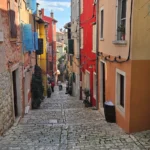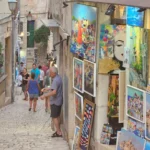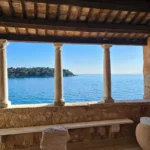
Rovinj Old Town is the historic heart of the city and the part of Rovinj that most visitors want to explore first. Built on what was once an island, the old centre is a compact maze of stone streets, small squares, old houses and waterfront viewpoints. The Church of St. Euphemia dominates the skyline, while the streets leading towards it reveal layers of Venetian, Istrian and maritime history.
You do not need a complicated itinerary to enjoy the Old Town. The best approach is to walk slowly, combine the main landmarks with the quieter streets, and leave time for the waterfront, a meal and one of Rovinj’s characteristic local experiences.
If you are arriving by car, read our Rovinj parking guide before you set off. If you want to combine sightseeing with swimming, our guide to the best beaches in Rovinj covers the main coastal areas.
Where is Rovinj Old Town?
Rovinj’s historic centre occupies the peninsula at the western end of the city. The old town grew around a settlement that originally stood on an island, and its compact urban form is still easy to recognise today.
The centre is surrounded by the sea on several sides and connected with the mainland by the modern urban area. This location explains much of Rovinj’s character: narrow streets lead towards viewpoints over the water, while the waterfront and harbour remain closely connected to everyday city life.
The official Rovinj Tourist Board describes the Old Town as a historic centre characterised by narrow streets, small squares and houses closely built together, with the Church of St. Euphemia standing above the town.
What to see in Rovinj Old Town
1. Church of St. Euphemia
The Church of St. Euphemia is the most recognisable landmark in Rovinj. Its tall bell tower rises above the Old Town and provides one of the clearest visual references when walking through the historic centre.
The present church dates from the 18th century and is dedicated to St. Euphemia, the patron saint of Rovinj. Inside, visitors can see the church interior and the sarcophagus associated with the saint.
2. Grisia Street
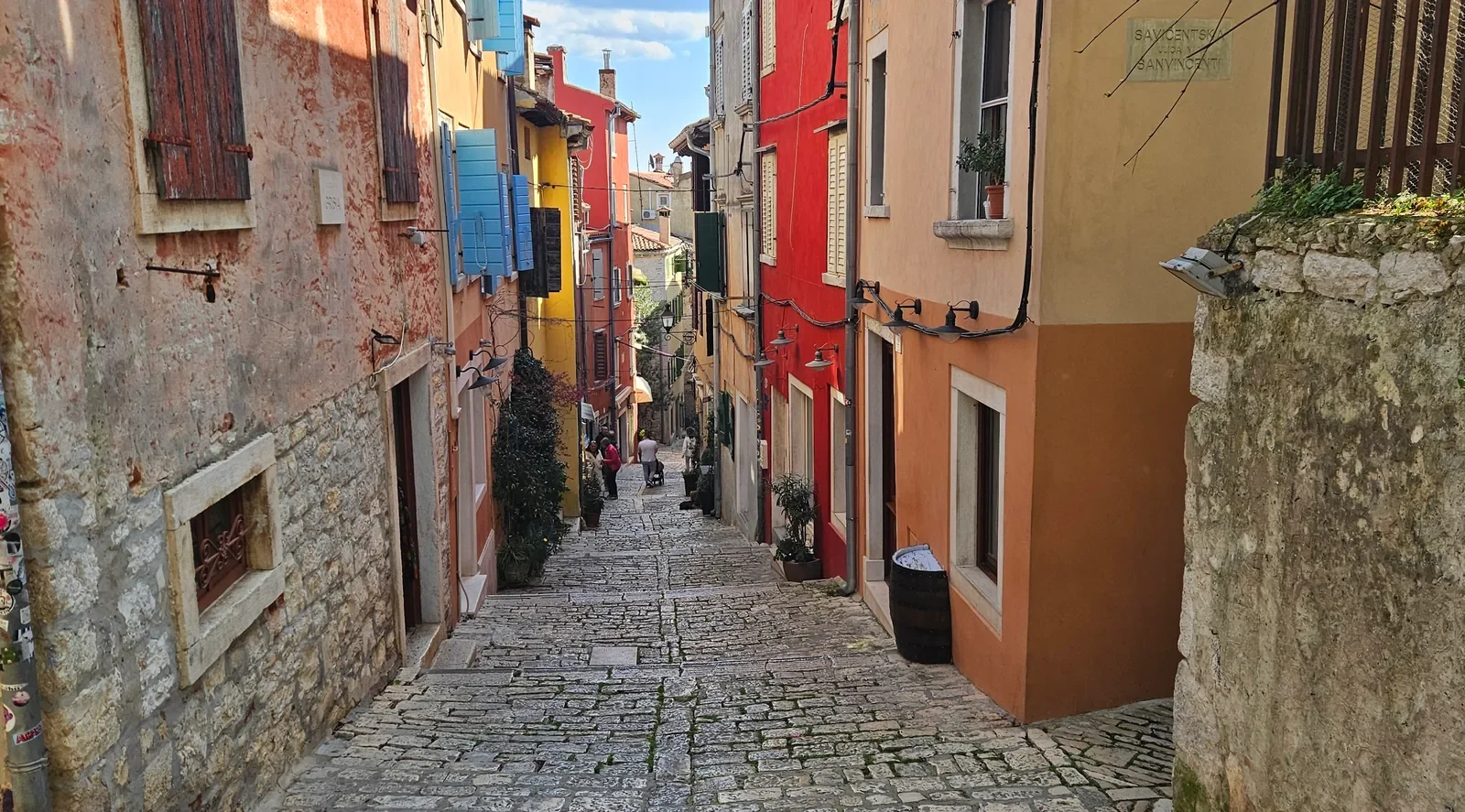
Grisia is one of the best-known streets in Rovinj’s historic centre. The stone-paved street climbs towards the church and is lined with historic buildings, galleries, shops and places to stop for a drink or meal.
Its character changes throughout the day. Early morning is quieter, while the street becomes more active later in the day, especially during the main tourist season.
3. Balbi’s Arch
Balbi’s Arch is one of the historic entrances to the Old Town. The arch stands near Marshal Tito Square and marks the transition from the more open central city area into the narrow streets of the historic core.
The current arch dates from the late 17th century and includes historical decorative elements connected with Rovinj’s Venetian past. It is a useful landmark to include at the beginning or end of a walking route.
4. Marshal Tito Square and the Town Clock
Marshal Tito Square is one of the principal open spaces beside the historic centre. The Town Clock is located here, close to the entrance towards the Old Town.
This is a convenient meeting point because it connects the harbour, central streets and historic peninsula. From here, you can continue towards Balbi’s Arch or walk along the waterfront.
5. Rovinj waterfront
The waterfront is an essential part of the Old Town experience. Fishing boats, small vessels, waterfront cafés and views across the harbour create a completely different atmosphere from the narrow streets inland.
Walk along the harbour without rushing. The relationship between the old houses, boats and sea is one of the most distinctive features of Rovinj.
6. Batana heritage
Rovinj has a strong maritime tradition centred on the traditional wooden batana boat. The batana is closely connected with local fishing culture and is part of the city’s living heritage.
The Batana Eco-Museum presents this tradition and helps explain the connection between the boat, fishing, local food and the everyday life of Rovinj’s historic community.
How long do you need for Rovinj Old Town?
Allow at least two to three hours if you want to walk through the main streets, visit the principal sights and stop for a coffee or lunch.
With half a day, you can explore at a slower pace and add a museum, church visit or longer waterfront walk. If you have a full day, combine the Old Town with one of Rovinj’s nearby beaches or a longer coastal walk.
A simple walking route through Rovinj Old Town
- Start around Marshal Tito Square and the Town Clock.
- Enter the historic centre through Balbi’s Arch.
- Walk through the narrow streets towards Grisia.
- Continue uphill towards the Church of St. Euphemia.
- Explore the area around the church and look for viewpoints over the sea.
- Walk back through a different street instead of retracing your route.
- Continue towards the waterfront and harbour.
- Stop for lunch, coffee or a local food experience.
What is the best time to visit the Old Town?
Early morning: the streets are quieter and temperatures are usually more comfortable in summer.
Late morning and afternoon: more visitors are in the centre and the Old Town feels livelier. Combine sightseeing with lunch or a museum visit.
Late afternoon and evening: the waterfront and streets become particularly atmospheric as the light changes. This is a popular time for dinner and an evening walk.
Is Rovinj Old Town suitable for children?
Yes, but families should expect stone streets, steps, uneven surfaces and some steep sections. A lightweight stroller can be easier than a large stroller in the narrowest streets, while families with very young children may find a carrier more practical.
What should you wear?
Comfortable footwear is more important than formal clothing for sightseeing in the Old Town. The streets are paved with stone and some sections are uneven or sloped. In summer, bring water and sun protection.
Where to eat in or near Rovinj Old Town
The historic centre has a wide range of restaurants, cafés, wine bars and smaller places serving local food. Seafood is an obvious choice given Rovinj’s maritime tradition, while Istrian cuisine also includes pasta, seasonal vegetables, olive oil, truffles and other regional products.
During the high season, reservations are sensible for restaurants you particularly want to try.
Can you swim near Rovinj Old Town?
Yes. Rovinj has several coastal areas within walking distance or a short ride from the historic centre, although the immediate Old Town waterfront is not the same as a conventional sandy beach.
If swimming is part of your plan, consider combining the Old Town with Lone Bay, Golden Cape, Cuvi or another nearby coastal area. See our complete Rovinj beach guide.
Parking for Rovinj Old Town
The historic centre is not the place to arrive expecting convenient door-to-door parking. Visitors arriving by car should normally park in an appropriate area outside the most restricted historic streets and continue on foot.
Before driving into central Rovinj, check our complete parking guide for information about parking zones, tickets and practical arrival planning.
Old Town photography tips
Rovinj is particularly photogenic because the streets constantly change perspective. Look for details such as old shutters, stone doorways, small passages, fishing boats and views towards the islands.
What makes Rovinj Old Town different?
The appeal of the Old Town is not based on one monument. It is the combination of the urban fabric, the sea, the historic houses, the narrow streets and the maritime identity of the city.
The official tourist material highlights the historic streets, Church of St. Euphemia, waterfront, traditional batana boats and fishing heritage as central elements of the Rovinj experience.
Rovinj Old Town: practical tips
- Wear comfortable shoes.
- Carry water during summer.
- Start early if you want quieter streets.
- Do not plan to park directly beside the main Old Town sights.
- Allow extra time if travelling with children or anyone with reduced mobility.
- Check opening hours for individual museums and attractions before visiting.
- Reserve popular restaurants during the busiest periods.
- Combine the Old Town with a beach or coastal walk if you have a full day.
Plan your Rovinj visit
Rovinj Old Town is best experienced on foot and at a relaxed pace. Start with the main landmarks, but leave enough time to explore the streets between them. The church, Balbi’s Arch, Grisia, the harbour and batana heritage give you the essential framework; the small details and views are what make the walk memorable.
For a broader introduction to the destination, start with our complete local guide to Rovinj. Then use our beach guide and parking guide to organise the practical side of your visit.
Looking for accommodation in Rovinj? Browse available places to stay and plan your visit around the Old Town, beaches and other experiences.