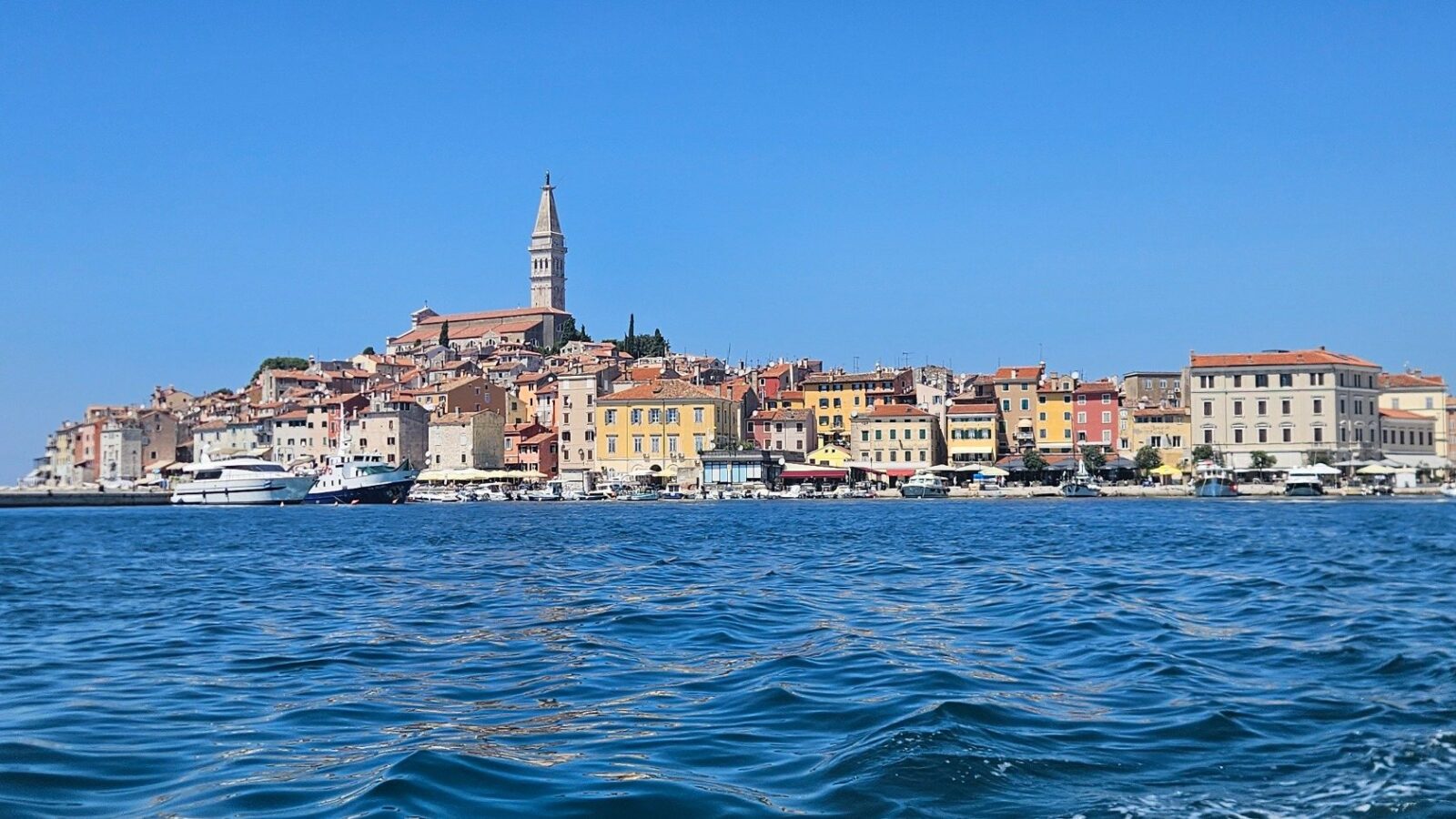
Kayaking is one of the best ways to see Rovinj from a different angle. From the water, the Old Town looks especially compact and dramatic, St. Euphemia rises above the waterfront, and the small islands of the Rovinj archipelago feel much closer than they do from shore. You do not need to be an experienced paddler to enjoy it, but the route, wind and sea conditions matter more than many first-time visitors expect.
For most visitors, the easiest choice is a guided half-day tour. It removes the guesswork around weather, launch points and local boat traffic, and it usually combines paddling with swimming or snorkeling. Independent rental can work well for confident paddlers on a calm day, especially close to the sheltered coast.
Quick answer: is kayaking in Rovinj worth it?
Yes, especially if you enjoy active sightseeing and want to combine the coast, islands and views of the Old Town in one outing. Rovinj is particularly well suited to short sea-kayak trips because several interesting areas are close together.
| Best for | Good option | What to expect |
|---|---|---|
| First-time kayakers | Guided Old Town or St. Catherine route | Shorter distances, instruction and regular breaks |
| Nature and swimming | Golden Cape and nearby islets | Rocky coves, clear water and snorkeling stops |
| Couples | Sunset kayaking | Old Town views in softer evening light |
| Experienced paddlers | Longer archipelago routes | More open water and greater exposure to wind |
Best kayaking areas around Rovinj
Old Town and St. Catherine Island
This is the classic Rovinj kayaking experience. Depending on the launch point, you paddle toward the historic peninsula, pass the colourful waterfront and continue toward St. Catherine Island. The view back toward the Old Town is one of the main reasons to choose a kayak instead of staying on shore.
The route is well suited to a guided beginner trip when the sea is calm. It also works well at sunset, when boat traffic usually begins to ease and the western horizon opens directly in front of you. St. Catherine is close enough to town to feel accessible, but once you are on the seaward side of the island the water can feel noticeably more exposed.
If you want more background on the islands before choosing a route, see our guide to the Rovinj islands.
Golden Cape, Cuvi and the southern coast
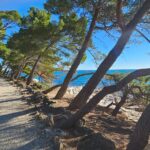
The coast around Zlatni rt, also known as Golden Cape or Punta Corrente, is a better choice if your priority is nature rather than town views. The shoreline is greener, there are rocky coves for breaks, and several tours combine paddling with swimming or snorkeling.
Some operators launch around Cuvi or the Golden Cape area and head toward small offshore islets. This route can be very pleasant in the morning, but it becomes more demanding if the afternoon sea breeze strengthens. Remember that Zlatni rt is a protected forest park, not a national park, and the shoreline is shared with swimmers, paddleboards and small boats.
If swimming is as important as paddling, compare the area with our best beaches in Rovinj guide.
Longer routes into the archipelago
Longer tours may continue toward quieter islands and islets farther from the town. These trips can be excellent on a stable day, but they involve more open-water paddling and should not be treated as a casual extension of a short coastal outing.
For an inexperienced visitor, a guide is the sensible choice. Wind direction, sea state and boat traffic can change the character of the return leg quickly. A route that feels easy with the wind behind you can feel very different when you turn around.
Sunset kayaking
Sunset tours are popular because Rovinj faces west and the Old Town silhouette works particularly well from the sea. They are usually less about covering distance and more about paddling at an easy pace, stopping near an island or cove, and watching the light change over the town.
Sunset does not automatically mean calm conditions. Summer afternoons often bring a local sea breeze, so the guide may adjust the route or starting point. That flexibility is normal and is usually a sign of sensible sea planning rather than a disadvantage.
Guided tour or kayak rental?
For most first-time visitors, a guided tour is better value than simply renting a kayak. You are paying not only for equipment but also for route selection, a safety briefing, local weather judgement and help around harbour traffic.
| Guided tour | Independent rental |
|---|---|
| Best for beginners and families with older children | Best for confident paddlers |
| Route adjusted to conditions | You choose your own route |
| Safety gear normally included | Check exactly what the rental includes |
| Often includes swimming or snorkeling stops | More flexibility with timing |
| Usually easier around the archipelago | Better kept close to shore if you are unfamiliar with the area |
Current kayaking options in Rovinj
As of September 2026, several local companies advertise guided sea kayaking or kayak rental in and around Rovinj. Offers change by season, so treat the examples below as a starting point and confirm the exact route, departure time, age rules and what is included before booking.
- Adistra currently lists guided kayak tours as well as single and double kayak rentals from its Rovinj operation.
- BUBA Kayak Tours currently advertises three-hour small-group tours that combine kayaking with snorkeling, safety equipment and tour photos.
- Terra Magica Adventures is listed by the official Istria tourism portal for kayaking, rentals and guided sunset activities in Rovinj; the listing currently shows a Rovinj season from 1 April to 30 November.
- Aqua Sport Rovinj operates from the Porton Biondi area and currently promotes local kayak tours.
Do not choose only by the advertised route. Ask how large the group is, whether the kayak is single or tandem, whether a dry bag and snorkeling equipment are included, and what happens if the weather changes.
Best time of year for kayaking in Rovinj
Late spring, early summer and September are especially good for sea kayaking because the water is warm enough for swimming while the midday heat is usually less intense than in peak summer. July and August are still excellent for kayaking, but an early start is more comfortable and gives you more room before the busiest part of the day.
April and October can also be very good on a calm, sunny day, although water temperature, shorter daylight and more variable weather make conditions less predictable. In winter, kayaking is mainly for experienced paddlers with suitable clothing and local knowledge.
Summer mornings are often the easiest window for beginners. A sea breeze can build later in the day, and stronger bora, jugo or storm conditions can make a route unsuitable even when the sky looked fine earlier. If a local operator changes or cancels a trip because of conditions, take that advice seriously.
Do you need kayaking experience?
Not for most guided Rovinj tours. Stable recreational sea kayaks and tandem kayaks are commonly used, and guides normally give basic paddling and safety instructions before departure. You should still be comfortable in the water and fit enough to paddle for a few hours.
Age limits, weight limits and swimming requirements vary by operator. Families should ask specifically whether a child will paddle independently, share a tandem kayak with an adult, or be accepted only above a certain age. Do not assume that every tour has the same rule.
For a broader overview of active options, see our best things to do in Rovinj.
What to bring on a kayak trip
- swimwear or quick-drying clothes
- water shoes or secure sandals with a heel strap
- high-SPF sunscreen
- a hat that will stay on in wind
- drinking water
- a light long-sleeve top for strong sun
- a towel and dry clothes for after the trip
- phone protection even if a dry bag is provided
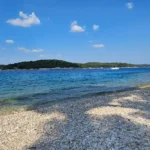
Water shoes are more useful than flip-flops when you land on rocky coves. Rovinj’s coast is mostly stone, rock or pebble rather than soft sand, and sea urchins can occur in clear shallow water.
Local safety points visitors often overlook
Harbour traffic matters
Passenger boats, excursion boats, water taxis and private vessels use the water around Rovinj. Stay out of obvious harbour approaches and never assume a larger boat has seen you. Guided trips are useful because local guides know the normal traffic patterns.
The return leg can be harder
Always think about the wind direction before paddling away from your launch point. Beginners often notice only how easy the first half feels. If the wind is helping you outbound, the return can require much more effort.
Rocky landings need care
Many attractive stops are rocky. Step out slowly, keep footwear on, and avoid jumping from rocks unless a guide has specifically checked the spot and says it is safe.
Sun exposure is stronger on the water
There is very little shade once you leave shore. Reflection from the sea makes sun exposure easy to underestimate, especially on a breezy day when you do not feel hot.
Kayaking without a car
You do not need a car for many Rovinj kayak experiences. Porton Biondi and central waterfront meeting points can be reached on foot from much of town. Launch areas around Cuvi and Golden Cape are farther from the Old Town but can usually be reached by walking, cycling or a short taxi ride.
If you are staying car-free, check the meeting point carefully before booking because the operator’s office and the actual beach launch are not always in the same place.
Kayaking compared with other ways to see the coast
Choose kayaking if you want an active, small-scale experience and you are happy to get wet. Choose a boat trip from Rovinj if you want to cover a larger area with less physical effort. If you prefer staying on land, cycling around Rovinj and Golden Cape is another good half-day activity.
A kayak is not the fastest way to reach the islands, but that is part of the appeal. The journey itself is the activity, and the slower pace makes the coastline, water clarity and shape of the Old Town much more noticeable.
Practical recommendation
For a first kayaking experience in Rovinj, choose a guided morning or sunset tour of around three to four hours. A route combining the Old Town, St. Catherine or the Golden Cape coast gives the best balance of scenery, manageable paddling and time for swimming. More experienced paddlers can look at longer island routes, but should still make the decision based on that day’s sea conditions rather than a fixed itinerary.
Last updated: September 2026.